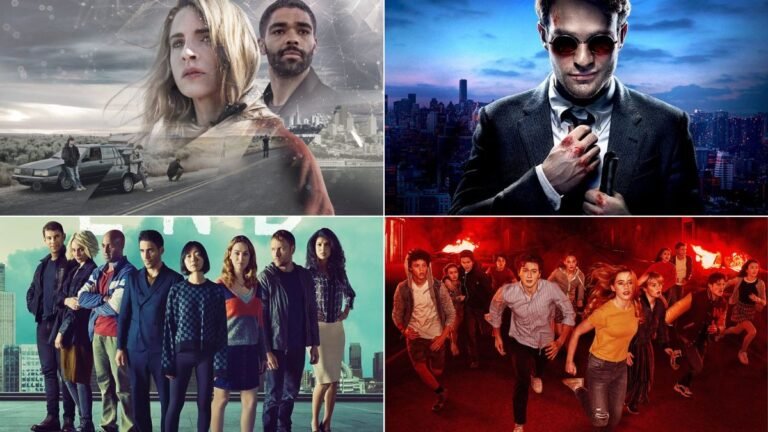
It's a tough time for your Watchlist, isn't it? If you've found yourself scrolling through the ever-growing "Complete List of Disney+ Cancelled Shows" lately, you're certainly not alone. The era of unchecked streaming growth, where every big studio poured billions into content, is rapidly fading. Now, the magic kingdom of Disney, under CEO Bob Iger, is pivoting hard towards profitability, and that means a much harsher spotlight on what stays and what goes.
This isn't just about disappointing fans; it's a fundamental shift in how streaming services operate. Shows that might have once been given a longer leash are now facing the axe after just one or two seasons, often even before airing, purely for strategic or financial reasons. For loyal viewers, it feels like a constant game of "will they or won't they" with their beloved series.
At a Glance: What You Need to Know About Disney+ Cancellations
- Profitability Over Growth: Disney CEO Bob Iger is driving a strong push to make streaming services profitable, leading to increased scrutiny of show costs and viewership.
- Early Exits: Many shows are being canceled after a single season or even before their planned premiere.
- Cost is King: High production costs are a primary driver behind many cancellations, even for shows with strong viewership.
- Strategic Shifts: Disney is re-evaluating its content strategy, potentially focusing more on established franchises and tentpole productions.
- Hulu Impact: As part of the Disney ecosystem, Hulu originals are also feeling the pressure, with several notable cancellations.
- Not All Endings Are Bad: Some shows are concluding on their own terms, having completed their planned story arcs.
- Fan Power Still Matters: Engagement—watching, discussing, and sharing—remains crucial for a show's survival.
The New Streaming Reality: Why Disney+ Is Pulling the Plug
Remember the early days of streaming, when it felt like every platform was greenlighting everything, desperate to fill their content libraries and hook new subscribers? Well, those days are largely behind us. The streaming wars have entered a new phase, one dominated by fiscal discipline rather than content largesse.
Disney, with its vast entertainment empire, is no exception. CEO Bob Iger, since his return, has made it crystal clear: profitability is the priority. This strategic shift means every show, every production budget, and every viewership metric is under intense review. A show might be critically acclaimed, or even have a dedicated fanbase, but if it doesn't meet specific internal profitability benchmarks or align with the broader content strategy, its future is bleak. This new reality is the driving force behind the expanded All Disney Plus cancelled shows list we're seeing.
The reasons for these cancellations are multifaceted, but they generally boil down to a few key factors: high production costs, low audience engagement relative to cost, strategic realignment (e.g., focusing on core IP), and the desire to reduce content spend.
The 2024 Purge: What Got the Axe This Year?
2024 has already seen a significant culling of the herd across the Disney streaming ecosystem, hitting both Disney+ originals and shows within its broader portfolio like Hulu and ABC. Here's a closer look at the shows that didn't make the cut this year (as of mid-year):
The Spiderwick Chronicles (Canceled Before Airing, Found New Home)
This one was a particular shocker. A highly anticipated live-action adaptation of the beloved fantasy books, The Spiderwick Chronicles was slated to be a major draw for Disney+. However, the series was canceled before it even aired on Disney+, a clear indicator of the new fiscal prudence. The good news for fans? The show was later acquired by The Roku Channel, demonstrating that while Disney+ may be shedding content, other platforms are still looking for proven IP. This incident underscores the precarious nature of show development in the current climate, where even fully produced series aren't guaranteed a platform.
The Good Doctor (Concluding After 7 Seasons on ABC)
While primarily an ABC network staple, The Good Doctor's conclusion impacts the broader Disney ecosystem. ABC announced that its 7th season would be its last. For a network show to run for seven seasons is a remarkable feat, especially in today's fragmented viewing landscape. Its ending feels less like an abrupt cancellation and more like a planned conclusion for a long-running, successful series that had run its course, or at least, reached a natural stopping point for its creators and network.
The Other Black Girl (Canceled on Hulu After One Season)
A promising literary adaptation, The Other Black Girl debuted on Hulu and quickly garnered attention for its unique blend of satire, mystery, and social commentary. However, it was canceled on May 10th after just one season. This decision highlights the harsh reality for new, original IP on streaming services: even with critical buzz, if viewership doesn't meet specific, often undisclosed, internal metrics for subscriber acquisition or retention, a second season is far from guaranteed.
Death and Other Details (Canceled on Hulu After One Season)
Another Hulu original, the mystery series Death and Other Details, starring Mandy Patinkin, also faced an early demise, canceled in March after its first season. Despite a compelling premise and a strong cast, the show apparently didn't connect with a broad enough audience to justify its continuation. This illustrates how competitive the mystery genre is, requiring breakout success to stand out from the crowd and secure a renewal.
This Fool (Canceled on Hulu After Two Seasons)
The critically acclaimed comedy series This Fool was canceled in February after two seasons on Hulu. Known for its distinct voice and sharp humor, its cancellation was met with disappointment by fans and critics alike. While two seasons offer more breathing room than a single season, it's still a relatively short run. Its end suggests that even high-quality, niche comedies, while beloved by a passionate audience, might not hit the necessary scale to be financially viable for streamers prioritizing broader appeal or lower costs.
Secrets of Sulphur Springs (Canceled on Disney Channel After Three Seasons)
A popular mystery-fantasy series geared towards younger audiences, Secrets of Sulphur Springs was a Disney Channel staple. It was canceled in January after three seasons. For a children's series, three seasons is a respectable run. Its cancellation likely reflects a strategic decision within Disney Channel's programming budget and target demographics, perhaps making way for new content or a reallocation of resources to other projects that better align with current youth entertainment trends.
American Born Chinese (Canceled After One Season)
Perhaps one of the most high-profile and disappointing cancellations for Disney+ itself was American Born Chinese. This adaptation of Gene Luen Yang's graphic novel, starring Michelle Yeoh and Ke Huy Quan (fresh off their Oscar wins), was critically praised for its innovative storytelling, cultural representation, and blend of action and humor. Despite the star power and acclaim, it was canceled in early January after just one season. This cancellation was a stark reminder that even with significant awards buzz and cultural importance, a show's fate on Disney+ is ultimately tied to its ability to attract and retain a massive subscriber base relative to its production costs. It symbolized a broader shift away from prestige, mid-budget originals if they don't immediately become breakout hits.
Looking Ahead to 2025: More Pain on the Horizon?
The strategic shifts and cost-cutting measures are not confined to 2024. More cancellations are already slated for 2025, underscoring the ongoing restructuring of Disney's streaming content strategy.
Tiana (Canceled Months Before Release)
This animated musical series, a spin-off from the beloved film "The Princess and the Frog," was set to be a major cultural moment, expanding the story of Disney's first Black princess. However, Tiana was canceled months before its planned release due to "high costs and strategic shifts." This cancellation is particularly impactful. It represents a significant missed opportunity for inclusive storytelling and signals a tough stance on expensive animated projects, even those stemming from popular IP. It demonstrates that not even princesses are safe from the current profitability mandate.
Goosebumps (Canceled After Two Seasons, Exploring New Platforms)
The live-action series adaptation of R.L. Stine's iconic Goosebumps books initially launched on Disney+ and Hulu, performing well and quickly securing a second season. However, it was canceled after two seasons, primarily due to "high costs" despite what the ground truth describes as "strong viewership." This is another example where financial viability trumps audience engagement. Producer Sony Pictures Television is reportedly exploring other platforms for its continuation, mirroring the fate of The Spiderwick Chronicles. It highlights that while Disney might own the platform, they don't always own the content, which adds another layer to cancellation decisions.
Primos (Concluded After First Season)
The animated series Primos concluded after its first season. While details on its cancellation are less public, single-season animated series often face tough scrutiny. The competitive landscape for children's animation requires content that resonates widely and is cost-effective to produce, making one-season runs not uncommon if viewership or critical reception doesn't justify further investment.
Not All Cancellations Are Equal: Shows That Finished on Their Own Terms
It's important to distinguish between an abrupt cancellation and a show concluding as planned. Not every series that ends is "axed" in the traditional sense. Some creative teams map out a specific number of seasons to tell their complete story, and these endings are often celebrated by fans who get a satisfying conclusion.
Marvel's Moon Girl and Devil Dinosaur
This vibrant and critically acclaimed animated series from Marvel concluded with its second season as planned. Known for its unique animation style, diverse representation, and empowering messages, its two-season run allowed the creators to tell a complete and impactful story, leaving a strong legacy for its young audience.
Andor
The gritty and intelligent Star Wars prequel series, Andor, is slated to conclude with its second season. From its inception, creator Tony Gilroy envisioned a two-season arc leading directly into Rogue One. This planned conclusion allows for meticulous storytelling and ensures that every plot thread ties together intentionally, a stark contrast to shows cut short mid-story. Fans can look forward to a complete, self-contained narrative.
Win or Lose
This Pixar Animation Studios original series is also concluding as planned. Many animated series from Pixar are conceived with a specific story or message in mind, designed to be impactful within a defined run. A planned conclusion allows for creative freedom without the pressure of indefinite renewals.
The Unseen Battle: Why Are So Many Shows Getting Axed?
Understanding the underlying forces driving these cancellations is key to grasping the new reality of streaming. It's not just about what you watch, but how the studios are trying to stay afloat in a massively expensive industry.
The Profitability Mandate: Bob Iger's Bottom Line Focus
At the heart of Disney's current strategy is Bob Iger's unwavering focus on making the company's streaming services profitable. For years, the industry operated on a "growth at all costs" model, prioritizing subscriber numbers over actual earnings. Now, Wall Street demands a return on investment. This means tough decisions on content that, while potentially popular, might not justify its high production and marketing costs against its specific contribution to subscriber growth or retention. Every show is now scrutinized for its ROI.
Skyrocketing Production Costs
Producing high-quality television is incredibly expensive. From top-tier talent salaries (actors, writers, directors), to elaborate sets, visual effects, and post-production, costs have ballooned. Animation, especially high-quality serialized animation, is notoriously costly. When a show like Tiana gets shelved due to "high costs," it's often a reflection of these escalating expenses colliding with the profitability mandate. Even "strong viewership" for a show like Goosebumps isn't enough if the profit margin is too thin.
Content Overload & Shifting Strategies
The sheer volume of content available across all streaming platforms is staggering. Disney+ alone has hundreds of titles, and with so much choice, it's harder for any single show to stand out and capture a massive, dedicated audience. Disney is also increasingly focusing on its core, established intellectual properties (IP) like Marvel, Star Wars, and classic Disney animation, which are perceived as safer bets for attracting and retaining subscribers. This can leave less room, and budget, for original, unproven concepts or smaller-scale productions. The shift often means quality over sheer quantity, but also, critically, strategic quality that aligns with core brand identity.
Audience Engagement Metrics: The Data-Driven Decisions
Behind the scenes, streaming services meticulously track data: who watches what, how long they watch, how many finish a series, and whether a particular show leads to new subscriptions or prevents cancellations. These metrics are paramount. A show might have critical acclaim, but if its completion rate is low, or it's not a strong driver for new sign-ups, it's vulnerable. Decisions are no longer solely artistic; they are heavily data-driven, a cold calculus of viewership versus investment.
Licensing and Ownership Complexities
Sometimes, a show's cancellation isn't purely about Disney's platform, but about who owns the production rights. For example, Goosebumps is produced by Sony Pictures Television. While Disney+ licenses it, if the costs become too high relative to its perceived value to Disney+, Sony might seek to shop it elsewhere. This is why we see shows like The Spiderwick Chronicles and potentially Goosebumps finding new homes—the content itself isn't necessarily bad, but its value proposition to the original streamer has changed.
Beyond the Axe: What Happens to Canceled Shows?
When a show is canceled, its fate isn't always uniform:
- Removal from Platform: In some cases, especially if it's an original, the show might be completely pulled from the streaming service, as happened with a few titles in the past (e.g., Willow, though not in the 2024 list, it set a precedent). This saves on licensing fees and storage costs, but essentially wipes the show from easily accessible viewing.
- Archived in the Vault: Many canceled shows remain in the platform's library for a period, though often without promotion. They are still available for subscribers to discover, but their future might be uncertain.
- Sold to Other Streamers/Networks: As seen with The Spiderwick Chronicles going to Roku and Goosebumps potentially seeking a new home, some shows are sold or licensed to other platforms. This can be a lifeline for creators and fans, giving the show a second chance.
- Creator Rights Revert: Sometimes, if a show isn't picked up elsewhere, the rights might revert to the original creators, allowing them to potentially shop it to other outlets or develop it in a different format.
A Fan's Guide: How You Can (Potentially) Save Your Favorite Series
While the decisions ultimately rest with the executives and algorithms, fan engagement still plays a crucial role. If you want to support a new series and increase its chances of survival, here’s what you can do:
- Watch Early and Often: Don't let new episodes sit in your queue. Stream them as soon as they drop. The immediate viewership numbers are critical for showing initial traction. Re-watching also helps!
- Complete the Series: Watching all episodes of a season, especially completing the first few seasons, signals strong engagement. "Completion rates" are a key metric streamers use to gauge a show's success.
- Engage on Social Media: Talk about the show! Use relevant hashtags, tag the official accounts, and share your thoughts. Social media buzz can signal cultural relevance and a passionate fanbase, which might influence renewal decisions.
- Recommend to Friends and Family: Word-of-mouth is still powerful. Encourage others to watch the show. More viewers directly translate to better metrics.
- Subscribe (and Stay Subscribed): Ultimately, your subscription is your vote. While you won't subscribe just for one show, maintaining your Disney+ subscription contributes to the overall health of the service, indirectly supporting its content budget.
- Understand the Economics: While it's frustrating, try to understand that critical acclaim doesn't always equal financial viability. Focus your support on shows that genuinely resonate with you and hope their metrics align with the streamer's needs.
The Future of Streaming: Quality, IP, and Profitability
As we move forward, expect the trend of discerning cancellations to continue. The era of "anything goes" for content creation is over. Disney, and other major streamers, are likely to:
- Focus on Core IP: Expect more content from established franchises that have proven drawing power.
- Prioritize High-Value Originals: Shows that are either massive, must-see tentpoles or incredibly cost-effective to produce.
- Embrace Licensing Out: If a show doesn't fit the internal strategy, expect to see more instances of Disney licensing it to other platforms rather than letting it sit in limbo or simply removing it.
- Invest in Data Analytics: The reliance on viewer data will only grow, making every click and completion rate more important than ever.
The landscape is changing, and while it means saying goodbye to some beloved shows prematurely, it also promises a more focused, and hopefully, more sustainable, streaming ecosystem. For fans, it's a reminder to cherish the shows you love and show them active support, because in this new reality, every view counts.