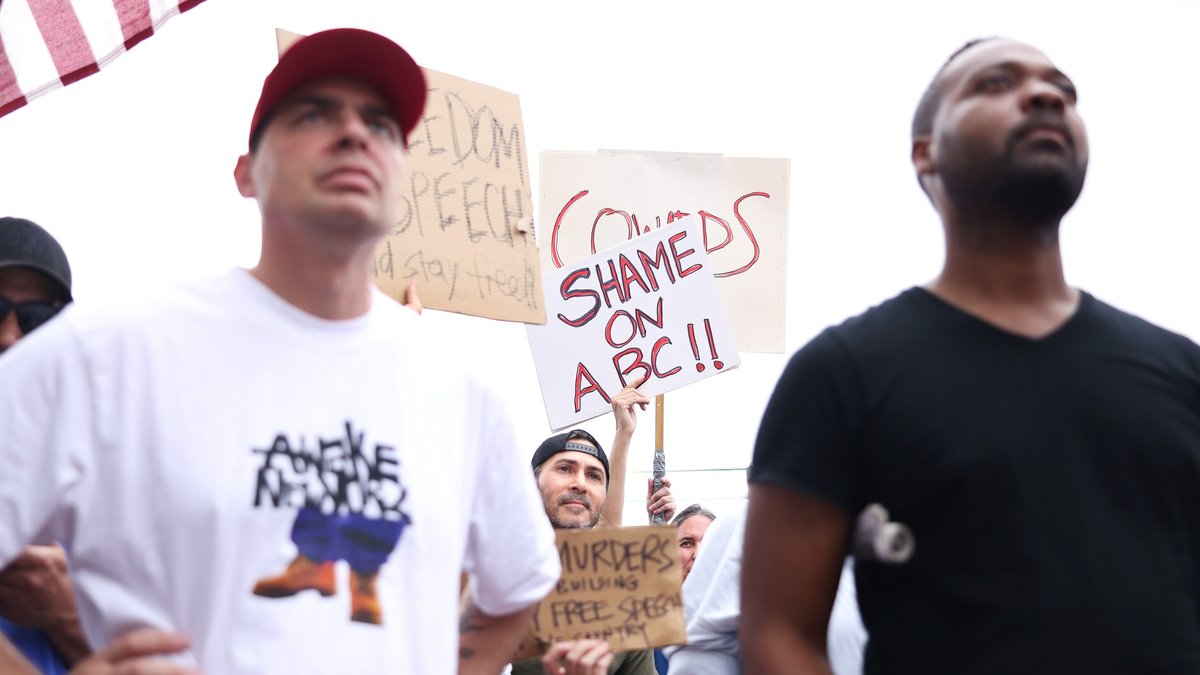
The recent uproar over Jimmy Kimmel's temporary suspension wasn't just another news cycle; it sparked a tangible wave of Fan Impact and Reactions to Disney+ Cancellations that sent shockwaves through the streaming giant. This wasn't merely about a talk show host's controversial comments; it became a vivid illustration of how deeply viewers connect with the content they consume and the perceived values of the platforms that deliver it. When that connection is broken, fans don't just grumble — they act. And in the digital age, those actions can have immediate and far-reaching consequences for even the most entrenched entertainment empires.
At a Glance: The Disney+ Cancellation Storm
- The Catalyst: Jimmy Kimmel's temporary suspension from "Jimmy Kimmel Live!" following comments on September 15 regarding the killing of conservative activist Charlie Kirk, drawing FCC and affiliate criticism and accusations of censorship.
- Fan Fury: Millions of subscribers initiated a boycott, leading to a massive wave of Disney+, Hulu, and ESPN+ cancellations.
- The Numbers: Freelance journalist Marisa Kabas reported 1.7 million cancellations between September 17 and 23 alone, a significant jump from an earlier 700,000 estimate.
- Technical Fallout: Disney's cancellation pages crashed under the load, with users reporting frustrating technical issues like looping logins.
- Financial Repercussions: The subscriber loss translated to a minimum of $17 million in reduced monthly income for Disney, likely more given varied subscription tiers.
- Corporate Response: Amid pressure from Hollywood, shareholders, and the public, Kimmel was reinstated within approximately one week.
- Broader Challenges: Disney faces further hurdles, including affiliate boycotts (Sinclair, Nexstar) and upcoming price increases for Disney+ and Hulu tiers, potentially accelerating churn. The company will also cease reporting Q4 2025 subscriber data.
- User Action: For those looking to cancel, specific steps were advised to navigate the process effectively, highlighting the difficulty users faced.
The Spark That Ignited the Storm: A Case Study in Viewer Power
You might remember the headlines: September 17 brought news of Jimmy Kimmel's unexpected, temporary suspension from "Jimmy Kimmel Live!" The immediate cause stemmed from comments he made on September 15 concerning the tragic killing of conservative activist Charlie Kirk. This wasn't just a misstep; it rapidly escalated into a full-blown crisis.
The FCC and various ABC affiliates quickly weighed in with criticism, but the real firestorm ignited when the incident morphed into accusations of censorship. In an era where platforms and personalities are often seen as extensions of broader ideological battles, Kimmel's suspension, however brief, touched a raw nerve. For many viewers, it wasn't just about a comedian; it was about free speech, corporate influence, and the perception that a major entertainment conglomerate was silencing a voice, regardless of political leaning. This perception fueled an intense backlash, setting the stage for one of the most significant consumer boycotts Disney has faced in recent memory.
The Boycott Takes Hold: When Fans Speak with Their Wallets
When fans feel unheard or betrayed, they often turn to the most direct form of protest available in the subscription economy: cancellation. In the wake of the Kimmel controversy, this sentiment rapidly translated into action. Millions of subscribers, outraged by what they perceived as censorship or an overreach of corporate power, decided to "speak with their wallets."
The sheer scale of this coordinated consumer action was staggering. Freelance journalist Marisa Kabas meticulously tracked the fallout, reporting a startling 1.7 million cancellations across Disney+, Hulu, and ESPN subscriptions between September 17 and 23. To put that in perspective, this figure was a significant leap from her previous report of 700,000, underscoring the accelerating momentum of the boycott. You didn't just see anger online; you saw it materialize in real-world economic terms.
The intensity of this mass exodus was so profound that Disney's own infrastructure struggled to cope. Users attempting to cancel their subscriptions reported widespread technical issues: cancellation pages crashing, frustrating looping logins, and a general sense that the system was overwhelmed. This breakdown not only frustrated users but also inadvertently amplified the narrative of a company struggling under the weight of its own subscriber rebellion. It became a powerful, tangible symbol of just how impactful collective canceling streaming subscriptions can be when a fandom mobilizes.
The Bottom Line: Financial Fallout and Corporate Repercussions
The immediate and widespread subscriber exodus translated directly into a tangible financial hit for Disney. If those 1.7 million subscribers were on even the cheapest Disney+ ad-supported tier, the company's guaranteed monthly income would have been reduced by at least $17 million. Factoring in higher-priced tiers, bundles, and the potential for continued cancellations, the actual figure was likely much, much greater. For a company valued in the billions, this might seem like a drop in the ocean, but such a rapid and concentrated loss of paying customers sends a very clear, very loud message to the market.
The pressure wasn't solely coming from individual subscribers either. The public outcry was significant, but it was amplified by concerns from influential Hollywood stars and, critically, Disney shareholders. When investor confidence begins to waver due to public relations crises, corporate boards tend to act swiftly. This multifaceted pressure cooker environment ultimately led to Kimmel's reinstatement to his presenting duties approximately one week after his suspension. It was a clear demonstration that, in this instance, fan power, combined with internal and external stakeholder concerns, could directly influence executive decisions.
But the ripple effects extended beyond streaming numbers and talk show hosts. Affiliate owners, crucial partners in Disney's media ecosystem, also reacted. Major players like Sinclair and Nexstar publicly refused to broadcast new episodes of "Jimmy Kimmel Live!" Sinclair even went as far as to air a tribute to Charlie Kirk, further underscoring the deep ideological divisions and the affiliates' willingness to take a stance. This situation highlighted how effective consumer boycotts can be when combined with actions from business partners, creating a multifaceted challenge for the media giant.
A Broader Trend? Disney+'s Evolving Relationship with its Audience
While the Kimmel incident provided a potent case study, it also illuminated underlying fragilities in Disney+'s relationship with its subscriber base. The controversy didn't occur in a vacuum; it landed amidst an already challenging economic landscape and evolving streaming market.
Compounding these issues, Disney had already announced upcoming price increases for all Disney+ and Hulu tiers, set to take effect from October 21. For many subscribers already on the fence about the value proposition of their various streaming services, a public relations crisis coupled with a price hike can be the final push towards cancellation. It's a double whammy: a perceived value decrease due to controversial actions, followed by an actual cost increase. This dynamic makes understanding the complexities of streaming service pricing strategies even more critical for companies like Disney.
Perhaps most tellingly, Disney announced it would no longer publicly release its Q4 2025 subscriber data. While companies might offer various reasons for such decisions, in the context of a mass cancellation event and impending price hikes, this move can be interpreted as an attempt to manage negative optics. For shareholders and analysts, it removes a key metric for assessing the health of the streaming service, prompting questions about transparency and future subscriber growth. This decision, whether intended or not, adds another layer of uncertainty to Disney+'s streaming narrative.
Beyond Cancellations: The Intangible Costs of Alienating Your Fandom
While the financial numbers and subscriber counts are certainly significant, the true cost of alienating a passionate fandom extends far beyond immediate cancellations. There's an intangible, yet incredibly valuable, asset at stake: brand trust and loyalty.
When a controversy erupts, especially one perceived as a betrayal of values or an attack on free expression, it erodes the goodwill built over years, sometimes decades. Social media platforms, in particular, act as powerful amplifiers, transforming individual grievances into viral movements. A single tweet or Reddit post can spark a chain reaction, leading to widespread negative sentiment that is incredibly difficult for a brand to counter. This online discourse shapes public perception, making it harder to attract new subscribers and retain existing ones, even those who might not have canceled immediately.
The long-term damage can manifest in various ways: a diminished brand halo, increased churn rates in subsequent periods, and a general sense of mistrust that makes future marketing efforts less effective. For Disney, a company built on generations of goodwill and family-friendly entertainment, such a blow to its reputation is particularly painful. It reminds us all of the undeniable power of fandoms in shaping media narratives and, critically, a brand's ultimate success.
Navigating the Cancellation Maze: Practical Advice for Disgruntled Subscribers
Given the difficulties many users faced attempting to cancel their subscriptions during the peak of the boycott, it's clear that the process isn't always straightforward. If you're considering canceling any streaming service, especially Disney+, here's some practical guidance to help you navigate the potential pitfalls and ensure your request is processed smoothly:
- Clear Your Cookies: Before you even log in, clear your browser's cookies and cache. Old data can sometimes interfere with site functionality and lead to persistent login loops or error messages.
- Switch Browsers: If you encounter technical issues in your preferred browser, try a different one (e.g., if Chrome isn't working, try Firefox or Edge). This can sometimes bypass glitches specific to certain browser configurations.
- Utilize Live Chat: Many streaming services offer a live chat support option. If you're stuck in a loop or can't find the cancellation button, use this feature. A live agent can often process your cancellation directly or guide you through the correct steps. Be polite but firm.
- Keep Screenshots: Take screenshots of every step of the cancellation process, especially any confirmation messages, chat logs, or error messages you encounter. This provides invaluable proof if you need to dispute charges later.
- Monitor Your Billing Cycle: Make a note of your next billing date. Even if you've canceled, sometimes a charge can slip through if the cancellation wasn't processed far enough in advance of the billing cycle. Check your bank or credit card statements closely for the next month or two to ensure no unexpected charges appear. If they do, immediately refer to your screenshots and contact support.
Taking these proactive steps can save you a lot of frustration and potential financial headaches, ensuring your decision to cancel is honored promptly and completely.
What Now for Disney+ and Its Content?
The Kimmel incident, while specific in its origin, serves as a powerful reminder of the delicate balance streaming platforms must strike. It's not just about producing engaging content; it's also about managing public perception, navigating complex cultural landscapes, and understanding the evolving expectations of a vocal and empowered subscriber base.
For Disney+, a company already grappling with the economic realities of a competitive streaming market and the need to achieve profitability, this event adds another layer of complexity. The future strategy will likely involve a careful recalibration of content decisions, public relations approaches, and perhaps even a re-evaluation of how they engage with their most passionate fans. Will they prioritize diverse voices at the risk of alienating a segment of their audience, or will they lean into more universally accepted programming? This incident clearly demonstrates that subscriber loyalty isn't a given and can be rapidly withdrawn if a company's actions are perceived to cross a line.
This kind of fan backlash can also influence what content gets greenlit, renewed, or, ironically, cancelled shows on Disney Plus in the future. Decisions aren't made in a vacuum; they're influenced by subscriber data, public sentiment, and the overall brand image a company wishes to project.
The Unmistakable Power of the Viewer
The saga surrounding Jimmy Kimmel's brief suspension and the subsequent wave of Disney+ cancellations offers a stark, undeniable truth: the power of the consumer in the streaming era is immense. This wasn't merely a fleeting online protest; it resulted in significant financial repercussions, technical overloads, and a corporate reversal. It underscored that when a perceived line is crossed—whether it's about content, values, or corporate ethics—subscribers are increasingly willing and able to mobilize and make their voices heard, not just with comments, but with their wallets.
For companies like Disney, this event is a crucial lesson in listening, adapting, and understanding the profound, often passionate, connection their audience has with their brand. For you, the viewer, it's a powerful affirmation: your choices, your cancellations, and your collective voice truly do matter. Staying informed, understanding your rights as a subscriber, and actively participating in the conversation are all ways to continue shaping the future of the entertainment landscape.